
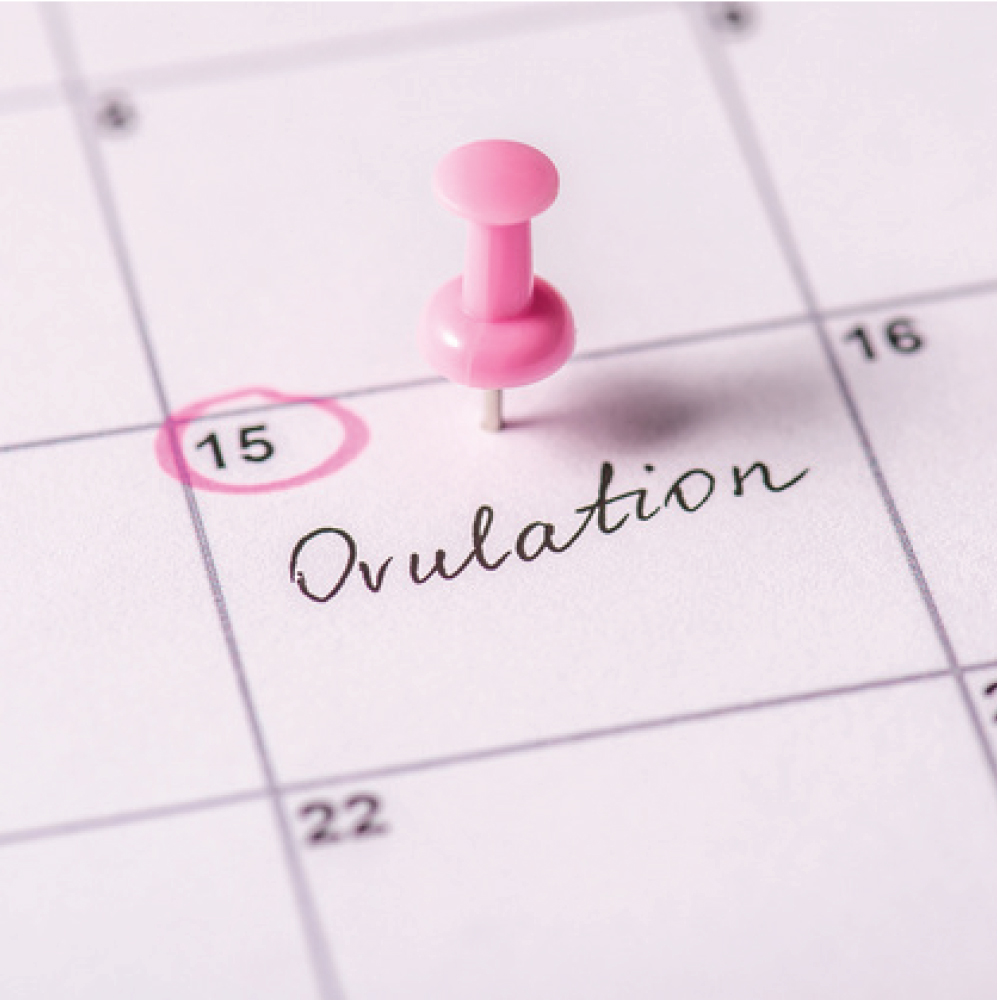
What do you really know about ovulation? Most women have some understanding, albeit basic. You may know that it occurs between your periods, sometimes there’s a slight twinge to alert you, or you may find a change in your vaginal discharge. Some women experience a boost in their libido during ovulation as well. But what really happens during ovulation?
There’s no need to wonder anymore. We’re here to help you decode ovulation, how and where it fits in your menstrual cycle, and the signs to look for if you suspect an issue with your ovulatory function.
What is Ovulation?
Ovulation refers to the point in your menstrual cycle when your ovary releases a mature egg in anticipation of fertilization and conception. First, the sacs that hold your eggs, called follicles, release estrogen into your bloodstream as they develop, part of the maturation process of your eggs. The estrogen signals the brain to release another hormone responsible for ovulation.
Your pituitary gland produces this hormone, called luteinizing hormone, or LH, and releases it into your bloodstream. LH triggers your ovaries to release the egg by rupturing the follicle. This is why some women feel a twinge in their pelvic area at the time they ovulate.
The egg moves into the fallopian tube, where it waits for fertilization. It stays there for about 12-24 hours. At the same time, your uterine lining thickens in preparation to receive a fertilized egg. If fertilization occurs, the fertilized egg implants in your uterus and develops. If the egg remains unfertilized, you’ll start your period, usually within about 10 to 14 days, as your body flushes out the uterine lining, and the entire process begins again.
What Are the Signs of Ovulation
For some women, there are obvious changes to their bodies during ovulation. Others may not even be aware that anything is happening, or may not recognize that these symptoms occur due to your ovulation cycle. Here are some symptoms to look for during ovulation:
- Mittelschmerz: An unusual name for the sharp pelvic pain or slight cramping you may feel during ovulation. The pain occurs on one side of your pelvic region and is due to the follicle rupturing. It’s usually not anything concerning, but please mention any noticeable pain during your next doctor’s appointment.
- Changes in Cervical Mucus: There’s a definite change in your cervical mucus and vaginal discharge during ovulation. The mucus becomes clear, slippery, and stretchy, much like the consistency of an egg white. The change in your cervical mucus helps sperm meet the egg for fertilization.
- Bloating: You may notice some bloating and slight “puffiness” in your abdominal and pelvic regions.
- Breast Tenderness: The hormonal surges necessary for ovulation may cause our breasts to become tender and slightly swollen.
- Basal Body Temperature: There is a slight increase in your resting body temperature. It’s usually no more than 1.0°F. This is why some ovulation-predicting methods recommend charting your temperature through your menstrual cycle.
- Changes in Mood: Some women experience mood swings during ovulation.
- Spotting: There may be some slight spotting or bleeding at ovulation time. This is due to a very small amount of blood released by the follicle as it bursts. Spotting is a normal sign of ovulation, but just as with pain and cramping, it’s worth mentioning at your next appointment.
- An Increase in Libido: Your libido, or sex drive, might increase during ovulation. The elevated estrogen in your system causes this bump in libido.
Signs Something’s Not Quite Right with Ovulation
Failure to ovulate is the number one cause of infertility in women, according to the NIH. In many cases, the issue comes back to a condition like PCOS, diminished ovarian reserve, an autoimmune disorder like thyroid disease, or a hormonal imbalance due to any number of underlying conditions. Your doctor requires specific tests before diagnosing the cause of your ovulatory dysfunction.
Here are some common signs and symptoms that something isn’t quite right with your ovulatory function:
- Irregular or Absent Periods: The average cycle lasts 21-35 days from the beginning of one period to the start of the next. Anything shorter than 21 days or longer than 35, or missing your period completely (and not being pregnant), may indicate you aren’t ovulating as you should.
- Extremely Painful Periods and Heavy Flow: Heavy bleeding and debilitating cramps may indicate an underlying condition that prevents normal function.
- Inability to Conceive: If you’ve had unprotected sex for 12 months ( six for women over 35) without success, you may not be ovulating. Time to consult with a fertility expert.
Abnormal Hormonal Changes to Note
Some conditions, like PCOS, stem from an imbalance in your hormone levels. These changes may interrupt ovulation and cause infertility. Signs of hormone imbalances are:
- Excessive hair growth on face, chest, or back
- Unexplained weight gain
- Dark patches on skin, particularly underarms
- Persistent acne
- Mood Swings
- Breast tenderness
- Milky discharge from breasts
- Noticeable hair loss
If you’re trying to conceive and suspect ovulatory issues may be the reason you’re unsuccessful, please contact LA IVF.