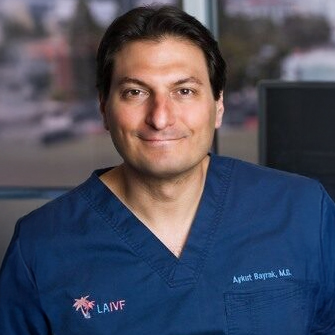
Medically reviewed by Aykut Bayrak, MD, FACOG
Board-Certified Reproductive Endocrinologist & Medical Director, LA IVF Clinic (Los Angeles)
Nutrition plays a critical role in overall health, hormonal balance, and reproductive function. What you eat — along with lifestyle factors — can influence inflammation, insulin sensitivity, egg quality, and endometrial receptivity. Diets high in processed foods, trans fats, and excess sugar have been linked to poorer health outcomes, while nutrient-dense foods support metabolic and reproductive health.
For patients undergoing IVF, dietary choices may have an even greater impact. At LA IVF Clinic in Los Angeles, Aykut Bayrak, MD, FACOG, often discusses how nutrition can support fertility treatment by helping optimize hormone regulation, reduce inflammation, and support embryo implantation. Below, we outline dietary patterns and specific foods that may be beneficial during IVF — as well as foods best avoided.
The Mediterranean Diet
Research published by the National Institutes of Health (NIH) supports the association between the Mediterranean diet and improved IVF outcomes. A separate study presented by the European Society of Human Reproduction and Embryology found that adherence to a Mediterranean-style diet increased pregnancy rates by as much as 68% in some patient populations.
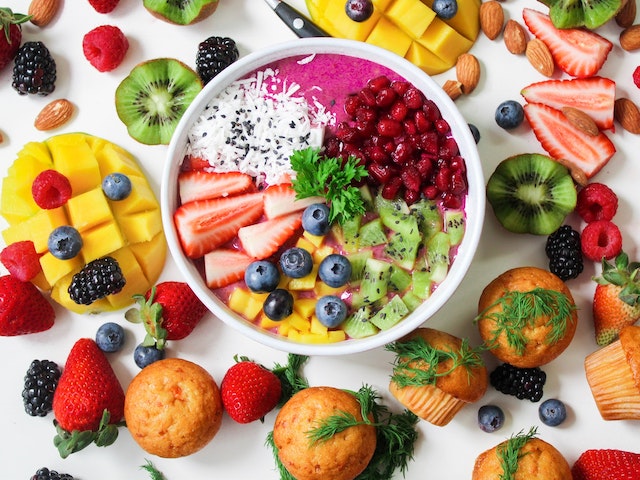
The Mediterranean diet is predominantly plant-based and emphasizes whole, minimally processed foods. It includes nuts, legumes, whole grains, vegetables, fruits, low-fat dairy, olive oil, and lean proteins such as fish and poultry. Red meat, processed foods, refined sugars, and excessive salt are limited.
Meals are often seasoned with natural
herbs and spices rather than high-fat condiments. While refined sugars are avoided, small amounts of natural sweeteners such as honey or pure maple syrup may be used in moderation.
9 Best Foods to Eat During IVF
The Mediterranean diet is anti-inflammatory, heart-healthy, and supports stable blood sugar levels — all of which are important for fertility. Based on this dietary approach, the following foods may help support your IVF journey.
- Leafy Greens: Spinach, kale, and other leafy greens are rich in folic acid, iron, and antioxidants, supporting egg quality and early pregnancy development.
- Cabbage: Cabbage, broccoli, and cauliflower contain diindolylmethane (DIM), which supports estrogen metabolism and hormonal balance.
- Broccoli: A strong source of vitamin C, iron, folate, and antioxidants, broccoli may aid egg maturation and overall reproductive health.
- Potatoes: Potatoes provide vitamins B and E, which support cellular function and tissue development.
- Bananas: Rich in vitamin B6, bananas support nervous system health, immune function, and menstrual cycle regulation.
- Pineapple: Pineapple contains manganese and bromelain, an anti-inflammatory enzyme that may support endometrial development.
- Salmon: A powerful source of omega-3 fatty acids, salmon supports hormone balance and blood flow. Always consume fully cooked fish during IVF.
- A Rainbow of Fruits and Vegetables: Colorful produce provides a broad range of antioxidants and micronutrients essential for reproductive health.
- Complex Carbohydrates: Beans, lentils, whole grains, quinoa, oatmeal, sweet potatoes, apples, broccoli, and carrots help stabilize blood sugar. Poor glucose control can negatively affect egg quality, especially in conditions such as
PCOS.
Foods to Avoid During IVF
While supportive foods are important, avoiding certain dietary elements during IVF is equally critical.
- Artificial Sweeteners: Research presented by the American Society for Reproductive Medicine suggests artificial sweeteners may negatively affect embryo quality and implantation rates.
- Alcohol: Alcohol consumption has been shown to disrupt ovulation and should be avoided during fertility treatment.
- Caffeine: Limit caffeine intake to no more than two cups of coffee per day. Excess caffeine may interfere with egg maturation.
- High-Mercury or Raw Seafood: According to the U.S. Food and Drug Administration, certain seafood high in mercury and all raw or undercooked seafood should be avoided during IVF.
We’re Here to Help
Medical Disclaimer:
This article is for educational purposes only and does not replace individualized medical advice. Nutritional recommendations during IVF may vary based on medical history and treatment protocols.
Have questions about nutrition during IVF?
Schedule a consultation with Dr. Bayrak at LA IVF Clinic to receive personalized guidance designed to support your fertility treatment and overall health.